

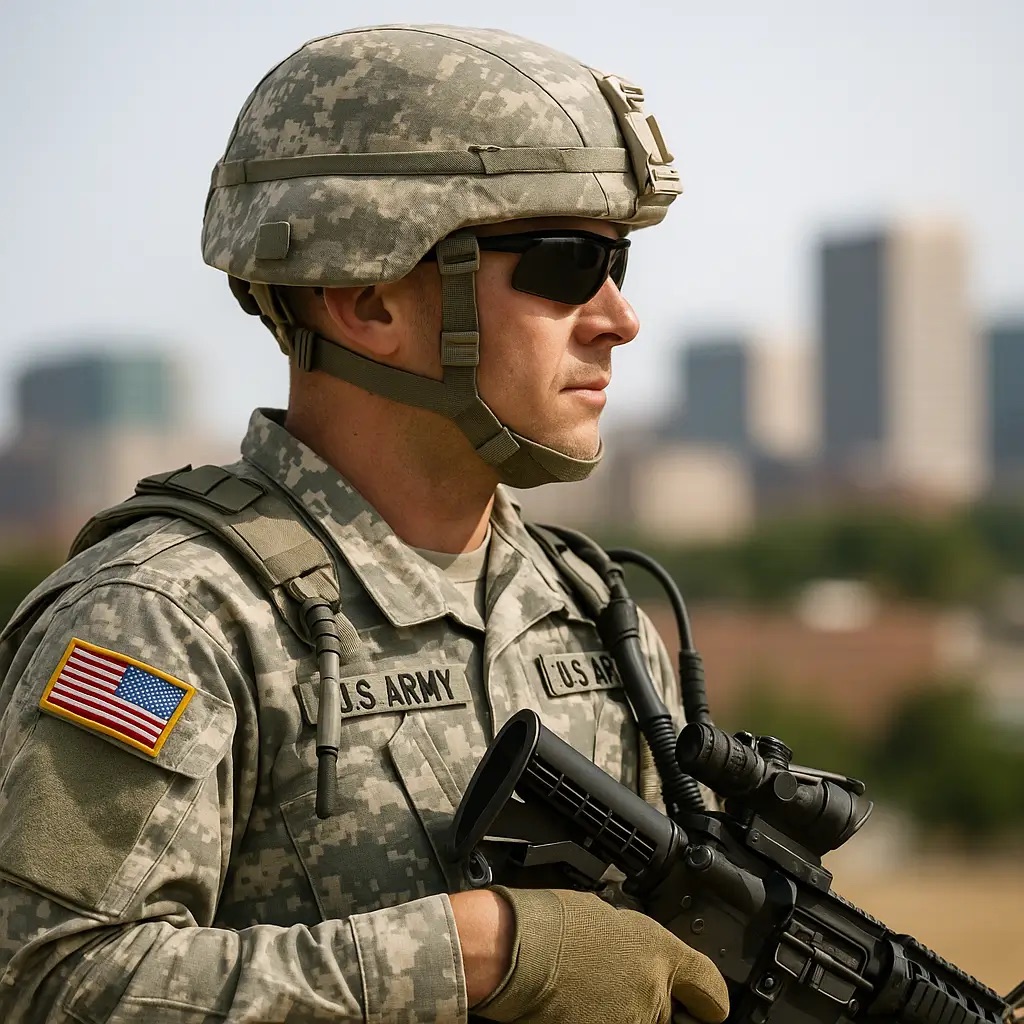
Introduction: More Than Just Firepower
When we think of the USA military, images of fighter jets, warships, and tanks often come to mind. But behind every mission, every strategy, and every uniform is a deeply rooted system—built on discipline, innovation, and sacrifice. The U.S. military is not just about weapons and war; it’s about people, purpose, and global presence. In 2025, it remains one of the most influential and complex military forces in history.
The Heart of the Force: Six Distinct Branches
Army
The U.S. Army is the primary ground force. It’s responsible for land-based operations and plays a vital role in large-scale conflicts, humanitarian missions, and peacekeeping. From foot soldiers to missile defense systems, the Army is often the first in and last out.
Navy
With fleets across the world’s oceans, the Navy ensures America’s maritime security. Aircraft carriers, submarines, and destroyers project power globally, keeping trade routes open and responding to crises.
Air Force
In charge of the skies, the Air Force provides air dominance, intelligence, and rapid global mobility. Its cutting-edge aircraft, drones, and satellite systems make it essential for modern warfare and defense strategy.
Marine Corps
Trained to respond quickly, the Marines specialize in amphibious and expeditionary operations. They are often the first deployed in emergencies and work closely with the Navy in joint missions.
Space Force
Established in 2019, this is the newest branch. It handles satellite defense, space surveillance, and protection of critical space assets in an era where space is a new battlefield.
Coast Guard
Unique among the branches, the Coast Guard protects U.S. coastlines and enforces maritime law. It operates during peacetime under the Department of Homeland Security, and shifts to the Navy in wartime.
Who’s in Charge?
Civilian Leadership
One of the defining features of the U.S. military is civilian control. The President serves as Commander-in-Chief, and the Secretary of Defense runs day-to-day operations. This ensures the military serves democratic goals, not the other way around.
Joint Chiefs and Commands
The Joint Chiefs of Staff provide expert military advice. Meanwhile, the Unified Combatant Commands oversee missions in different regions of the world—from Africa to the Pacific.
Global Presence and Power Projection
Military Bases Around the World
As of 2025, the USA maintains nearly 800 military installations in over 70 countries. These bases support rapid response, strengthen alliances, and promote stability in key regions.
Strategic Reach
With the ability to deploy troops and equipment anywhere in the world within hours, the U.S. military’s global reach is unmatched. Whether it’s humanitarian aid after a tsunami or deterring aggression near NATO borders, the military acts fast.
Advanced Technology and Innovation
Weapons and Systems
The U.S. military invests billions annually into research and development. It leads in:
- Hypersonic missiles
- Cyber defense systems
- Artificial Intelligence (AI) integration
- Autonomous vehicles and drones
- Space surveillance and defense systems
Cyber and Space Defense
Cybersecurity has become as critical as ground defense. Military cyber units defend against hacking, sabotage, and digital warfare. Meanwhile, the Space Force ensures America’s satellites remain secure—vital for communications, GPS, and reconnaissance.
The Human Side of Service
All-Volunteer Force
Since 1973, the U.S. military has relied on volunteers. Service members come from every background, often joining for education, discipline, pride, or the opportunity to make a difference.
Life in Uniform
Being a soldier, sailor, airman, Marine, guardian, or coastie means a life of discipline, training, and readiness. But it also means community, support, and a shared sense of mission. Military families face unique challenges—frequent moves, long deployments—but also receive housing, healthcare, and educational support.
Social Impact and Diversity
A Force for Opportunity
The military is one of the most diverse institutions in the U.S. It offers paths for advancement, education, and leadership regardless of race, gender, or background.
Women in the Military
Women now serve in every military role, including combat, aviation, and command. In 2025, they continue to break barriers and lead by example across every branch.
Current Challenges in 2025
Mental Health and Veteran Care
Combat stress, PTSD, and reintegration into civilian life remain concerns. The military is expanding mental health support and improving veterans’ services, but there is still work to be done.
Budget and Modernization
Balancing spending between modern tech, troop readiness, and infrastructure remains a challenge. The focus in 2025 is on making the military smarter, faster, and more adaptive—not just bigger.
Why the USA Military Still Matters
In a world facing cyber threats, rogue states, terrorism, and geopolitical rivalry, the USA military remains a central pillar of global security. But more than its tanks or aircraft carriers, it’s the people—committed, trained, and united—who define its true strength.
Whether responding to crises abroad, defending the homeland, or shaping peace, the military represents a promise: to serve, to protect, and to lead.